









City Desk
- Details
- Category: City Desk

Click on the image above for the audio.
PNS - Friday, January 19, 2024 - Congress avoids another government shutdown, the Justice Department details failures in law enforcement's response to the Uvalde elementary shooting, and St. Paul, Minnesota makes history with an all-female city council.

- Details
- Category: City Desk

Click on the image above for the audio.
PNS - Friday, January 19, 2024 - Push is on to add 'Voters' Bill of Rights' to Ohio Constitution; Congress Clears Stopgap Spending Bill for Biden, Moving to Avert Shutdown; Primary season in MN: More rural areas switching to vote-by-mail only.
- Details
- Category: City Desk
By Mark Moran - Producer-Editor, Contact - News
Big Sky Connection - A group of conservation organizations is suing the U.S. Forest Service over the Mud Creek development project in Montana's Bitterroot National Forest. Critics say it will destroy pristine forest, but the Forest Service says it will mitigate fire hazards and improve species' habitat. Comments from Mike Garrity, executive director, Alliance for the Wild Rockies. (Pronouncer: NEPA, "NEE-pah.")
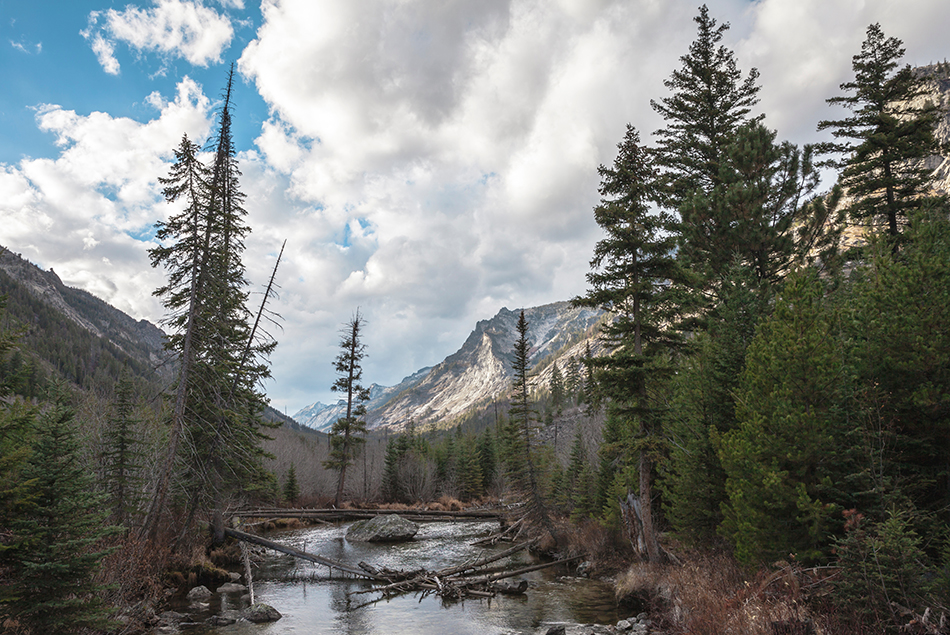
Click on the image above for the audio. About 70% of the 1.6 million-acre Bitterroot National Forest is in northwest Montana. The remainder is in southeast Idaho. (Adobe Stock)
Mark Moran
January 18, 2024 - Montana environmental groups have filed suit against the U.S. Forest Service to stop a large logging project in the Bitterroot National Forest.
The Alliance for the Wild Rockies contended the project threatens species' habitat and clean water. As part of the Mud Creek project, the Forest Service would bulldoze 43 miles of new roads into the Bitterroot, burn more than 40,000 acres, carve a 2.5-mile-long trail for motorized vehicles into the forest, and log almost 14,000 acres, 4,800 of which would be clear-cut.
Mike Garrity, executive director of the Alliance for the Wild Rockies, said the Mud Creek project would devastate the affected section of the Bitterroot in northwest Montana.
"The name of the project said it all: Mud Creek," Garrity explained. "This watershed is bull trout critical habitat, so bulldozing in all these new roads and clear-cutting this many acres means sediment from these roads, combined with runoff from the logging and burning, will flow into streams."
The Forest Service contended the project will reduce potential fire severity and improve wildlife habitat.
The Alliance for the Wild Rockies is suing the Forest Service under the National Environmental Policy Act, which requires the government to do an in-depth Environmental Impact Statement before creating projects like Mud Creek.
Garrity argued the Forest Service didn't follow the laws.
"They're not telling the public where or when they're going to log or burn," Garrity emphasized. "The public has no idea how much it will affect streams with bull trout in them, or how many old-growth forests will be cut down."
The suit awaits action in federal court.
| Best Practices | Disclosure |
- Details
- Category: City Desk

Click on the image above for the audio.
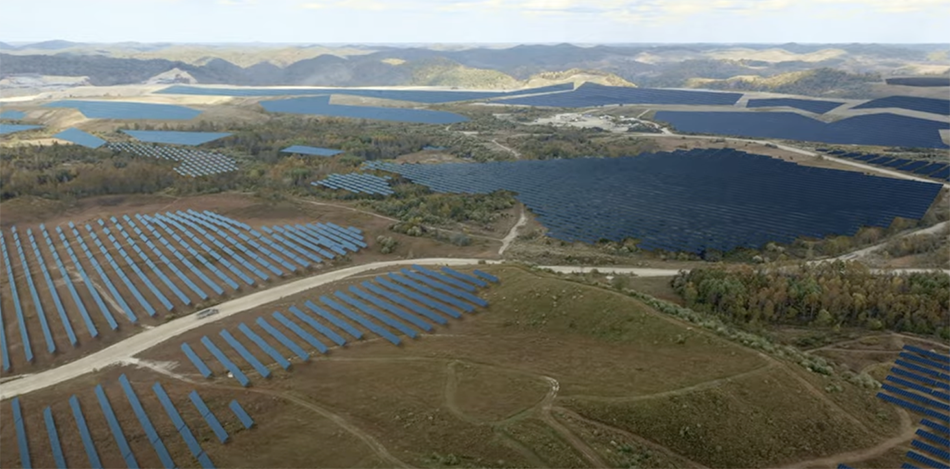
PNS - Thursday, January 18, 2024 - An interesting twist could see a solar energy project replace a former Kentucky strip mine, a rural Colorado community won a battle to keep its reproductive health care center and in that state's skiing region, a new art show is highlighting rural queer voices.