










Experts Encourage Residents to Take Steps to Prevent Human-Bear Conflicts in Montana
- Details
- Category: City Desk

Experts Encourage Residents to Take Steps to Prevent Human-Bear Conflicts in Montana
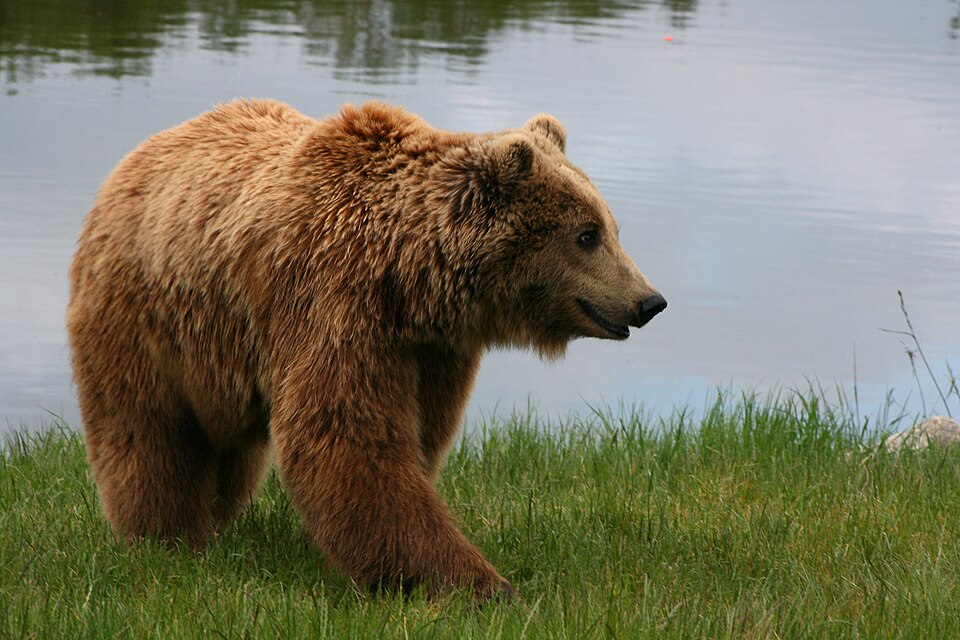
MISSOULA — As bear activity increases across western Montana during the warmer months, wildlife experts are reminding residents that simple preventive measures can significantly reduce encounters between humans and bears.
Bear specialists say most conflicts occur when bears gain access to food sources associated with people, including garbage, bird feeders, pet food, fruit trees, and outdoor cooking areas. Once bears become accustomed to finding food near homes and neighborhoods, they are more likely to return, creating safety concerns for both wildlife and residents.
Montana Fish, Wildlife & Parks officials and community wildlife organizations continue to encourage residents to remove attractants before bears discover them. Experts emphasize that prevention remains one of the most effective tools available for reducing bear-related incidents throughout the region.
One of the most common recommendations involves securing garbage in bear-resistant containers or enclosed storage areas. Studies and local wildlife managers have identified unsecured trash as one of the leading causes of human-bear conflicts in western Montana communities.
Missoula County has expanded its Bear Smart initiatives in recent years, including the use of bear-resistant garbage containers and community education efforts. Officials say these programs are designed not only to protect residents but also to help keep bears wild and reduce the number of animals that must be relocated or euthanized after becoming dependent on human food sources.
Wildlife experts also recommend removing bird feeders during seasons when bears are active, storing pet food indoors, cleaning outdoor grills regularly, and harvesting ripe fruit from trees as soon as possible. These actions can help eliminate food rewards that attract bears into residential areas.
As Montana communities continue to grow, wildlife managers note that increased development near bear habitat has contributed to more interactions between people and wildlife. Research conducted in western Montana has found that garbage and other human-related attractants remain primary factors driving many reported conflicts.
Experts say residents should also be prepared when recreating outdoors. Carrying bear spray, traveling in groups when possible, and remaining aware of surroundings can help reduce risks while hiking, camping, or enjoying Montana's public lands. If a bear is encountered, wildlife officials recommend remaining calm, avoiding sudden movements, and giving the animal plenty of space.
Community-led programs throughout western Montana continue to focus on education and long-term solutions aimed at reducing attractants before conflicts occur. Supporters of these efforts say preventing bears from accessing human food sources benefits both public safety and wildlife conservation.
Wildlife officials encourage residents to report bear activity when necessary and stay informed about local recommendations as bear populations remain active throughout the region. By taking proactive steps, communities can help reduce conflicts while supporting the long-term health of Montana's bear populations.
Read Next: Bozeman Family Seeks Community Support After Garage Fire Destroys Vehicle and Property
