












EPA Lead Cleanup Proposal Sparks Debate in Butte
BUTTE — More than four decades after the Silver Bow Creek/Butte Area was designated a federal Superfund site, residents are once again weighing in on how clean is clean enough when it comes to lead contamination in local neighborhoods.
The U.S. Environmental Protection Agency has proposed lowering the action level that triggers cleanup of lead-contaminated residential soil and household dust from 1,200 parts per million to 456 parts per million. While the proposal represents a significant reduction from the current standard, many local residents and environmental advocates argue it still falls short of what was previously discussed and what they believe is necessary to protect public health.
The proposal would also dramatically expand the area eligible for testing and remediation. According to EPA documents, approximately 3,637 additional acres and roughly 7,100 more homes would be added to the cleanup boundary, bringing thousands of additional properties under evaluation for possible contamination.
During a recent public hearing at Montana Technological University, dozens of residents voiced concerns about the proposed threshold. Several speakers questioned why the EPA settled on 456 parts per million after earlier discussions had pointed toward a potential cleanup standard of 175 parts per million. Others noted that neighboring communities such as Anaconda have lower cleanup thresholds than what is currently being proposed for Butte.
EPA officials defend the proposal, saying it strikes a balance between protecting public health and accelerating cleanup efforts that have stretched on for decades. The agency estimates that sampling, evaluation, and any necessary remediation within the expanded cleanup area could be completed within approximately 15 years, a faster timeline than previous projections.
Regional EPA Administrator Cyrus Western said the agency's goal is to make meaningful progress while continuing to prioritize families with young children and other vulnerable residents. The proposal follows updated federal guidance released in 2025 that lowered the target blood lead level used in evaluating risks to children.
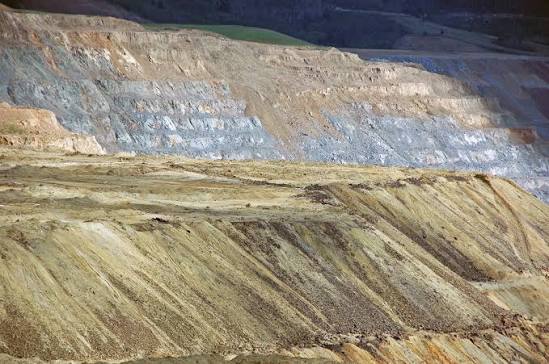
Lead contamination remains one of the most significant environmental challenges associated with Butte's mining history. Decades of mining and smelting operations left elevated levels of heavy metals throughout portions of the city, leading to one of the nation's largest and longest-running Superfund cleanup efforts. Cleanup of residential yards has been ongoing for years, with thousands of properties already evaluated and remediated.
Public comments on the proposal will continue through June 30 before the EPA issues a final decision later this year. Agency officials say they will review all comments received and publish formal responses before adopting any permanent changes to the cleanup plan.
For many Butte residents, the debate is about more than numbers on a chart. It is a question of how aggressively the community should address contamination that has impacted generations of families and whether the next chapter of cleanup will finally provide the level of protection residents have been seeking for decades.
