





City Desk
- Details
- Category: City Desk
Butte Chamber Encourages Residents to Shop Local Amid Tourism Uncertainty
Business leaders in Butte are encouraging residents to support local businesses this summer as concerns grow surrounding uncertain tourism numbers and broader economic pressures.
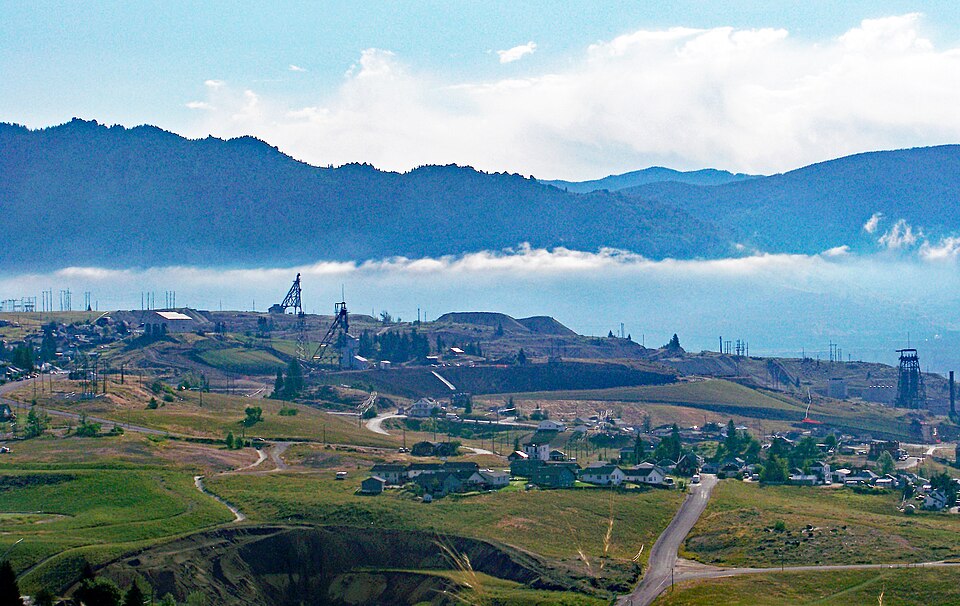
According to chamber officials, the “Shop Local Challenge” was created to help strengthen Butte’s economy during a period where tourism traffic may fluctuate due to rising fuel prices and ongoing economic uncertainty across the region.
Local business owners say Butte has long depended on seasonal tourism throughout the summer months, particularly in Uptown and surrounding shopping districts. While tourism remains important, many businesses say stronger year-round support from local residents can provide greater stability for independent stores and restaurants.
Shop owners throughout Butte say the city continues to offer a wide range of unique products and experiences that cannot easily be found at major chain retailers. From handmade goods and specialty gifts to local clothing boutiques and family-owned restaurants, business owners hope residents will continue choosing local options whenever possible.
Community Events and Promotions Planned
The campaign will also include community shopping events, local promotions, and “Shop Small” initiatives aimed at increasing foot traffic throughout Butte’s business districts during the summer season.
Officials say even small purchasing decisions can have a meaningful impact when multiplied across the community. Chamber representatives emphasized that supporting local businesses helps keep money circulating within Butte while also supporting local jobs and families.
Many business owners say community support became especially important over the past several years as small businesses navigated changing economic conditions and shifting consumer habits.
As summer approaches, local leaders remain optimistic that both residents and visitors will continue supporting Butte’s small business community and help maintain a strong local economy throughout the season.
Article Sponsor:

- Details
- Category: City Desk
New Details Emerge in Deadly Anaconda Bar Shooting Investigation
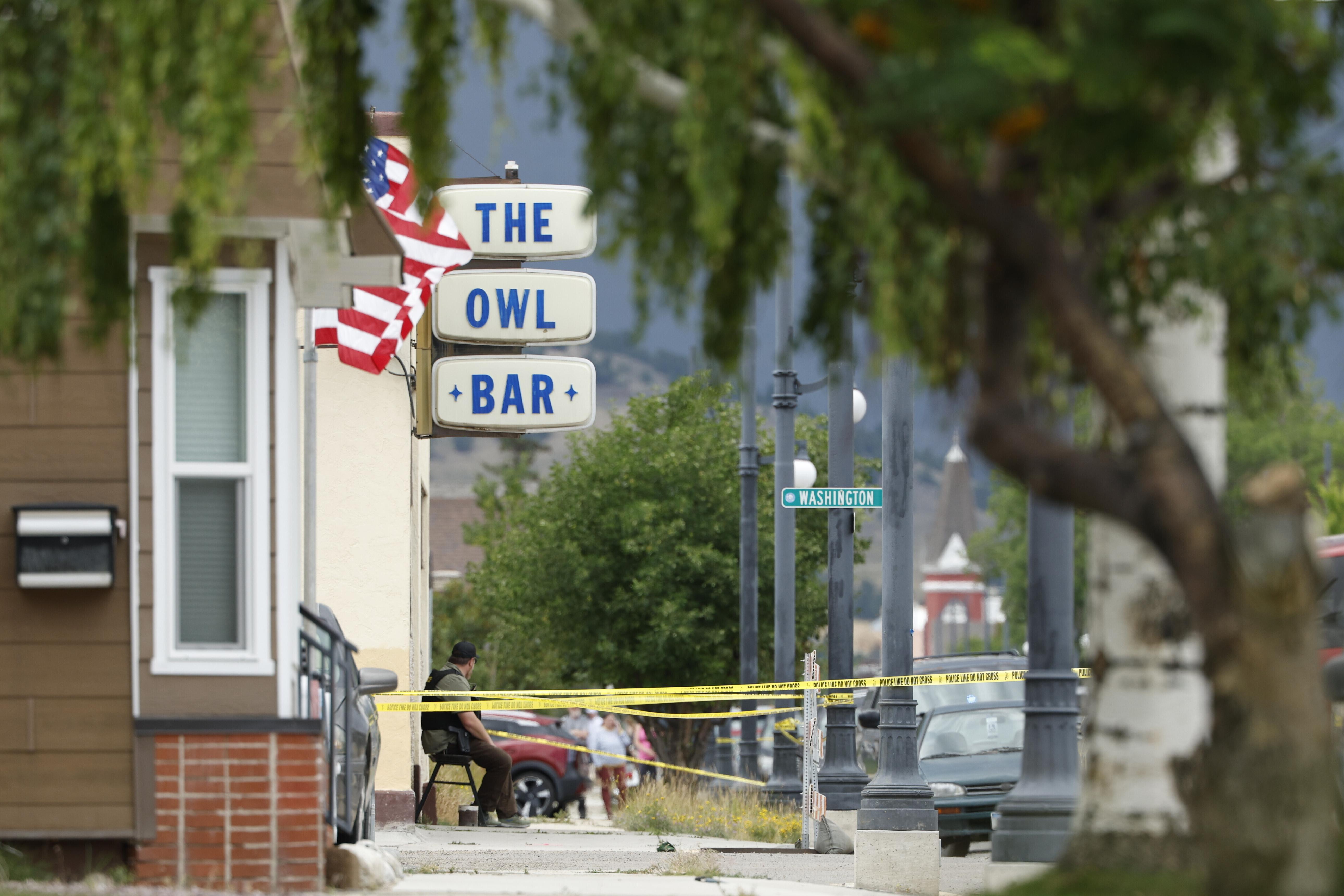
Authorities have released new details surrounding the deadly shooting that took place at The Owl Bar in Anaconda during August 2025, an incident that shocked communities across southwest Montana and left four people dead.
According to charging documents filed in Deer Lodge County District Court, 26-year-old Dewayne M. Williams is facing multiple felony charges connected to the shooting, including four counts of deliberate homicide and one count of attempted deliberate homicide.
Investigators say the shooting occurred during the late-night hours at The Owl Bar, a longtime Anaconda business known throughout the region. Authorities allege the suspect entered the establishment shortly before closing time and opened fire inside the bar, resulting in four fatalities and injuring another individual.
Emergency crews and law enforcement agencies responded quickly to the scene as chaos unfolded throughout the area. Witnesses described panic inside and outside the building as first responders secured the scene and began assisting victims.
The surviving victim was transported to a nearby hospital with serious injuries. Officials have not released updated information regarding that person's condition.
Court documents indicate Williams was apprehended the following day in Butte after a coordinated search effort involving multiple law enforcement agencies. He remains in custody as the criminal proceedings move forward.
Community Still Recovering
The tragedy sent shockwaves throughout Anaconda and neighboring Montana communities. Residents gathered in the weeks following the shooting for vigils and memorials honoring the victims and supporting affected families.
Local leaders continue encouraging residents to support one another as the investigation progresses. Businesses in the area have also expressed appreciation for the overwhelming response from community members during the difficult aftermath of the incident.
Authorities say the investigation remains active, and additional details could emerge as prosecutors continue preparing the case for court proceedings.
This story will continue to be updated as additional information becomes available through court records and law enforcement releases.
Article Sponsor:

- Details
- Category: City Desk
Montana Wildlife Officials Urge Bear Safety Following Yellowstone Attack
Montana wildlife officials are reminding residents and visitors to stay alert in bear country after two hikers were injured during a bear encounter near Yellowstone National Park earlier this week.
The attack happened along the Mystic Falls Trail near Old Faithful, according to Yellowstone National Park officials. Authorities say one or more bears were involved, though the exact species has not been confirmed. The incident remains under investigation.
Following the attack, Montana Fish, Wildlife & Parks officials emphasized the importance of being prepared outdoors as bear activity increases during spring and early summer months. Experts say sightings of both black bears and grizzly bears are becoming more common as animals emerge from hibernation.
Wildlife specialists recommend hikers travel in groups, make noise on trails, and carry bear spray in an easily accessible location. Officials also advise campers and homeowners to properly secure food, garbage, and other attractants that could draw bears into populated areas.
According to the National Park Service, most bear-related injuries in Yellowstone involve people hiking alone or in very small groups. Park officials encourage visitors to remain alert, stay on marked trails, and avoid hiking during dawn or dusk when bears are often more active.
Bear spray experts say outdoor enthusiasts should regularly check expiration dates on their spray canisters and practice using the equipment before heading into remote areas. Yellowstone-area organizations are also offering educational classes focused on bear awareness and safety techniques.
While bear attacks remain relatively rare, officials say awareness and preparation are key to preventing dangerous encounters during Montana’s busy outdoor recreation season.
Article Sponsor:

- Details
- Category: City Desk
Over 400 Butte Ballots Flagged for Rejection Due to Missing Birth Year Information
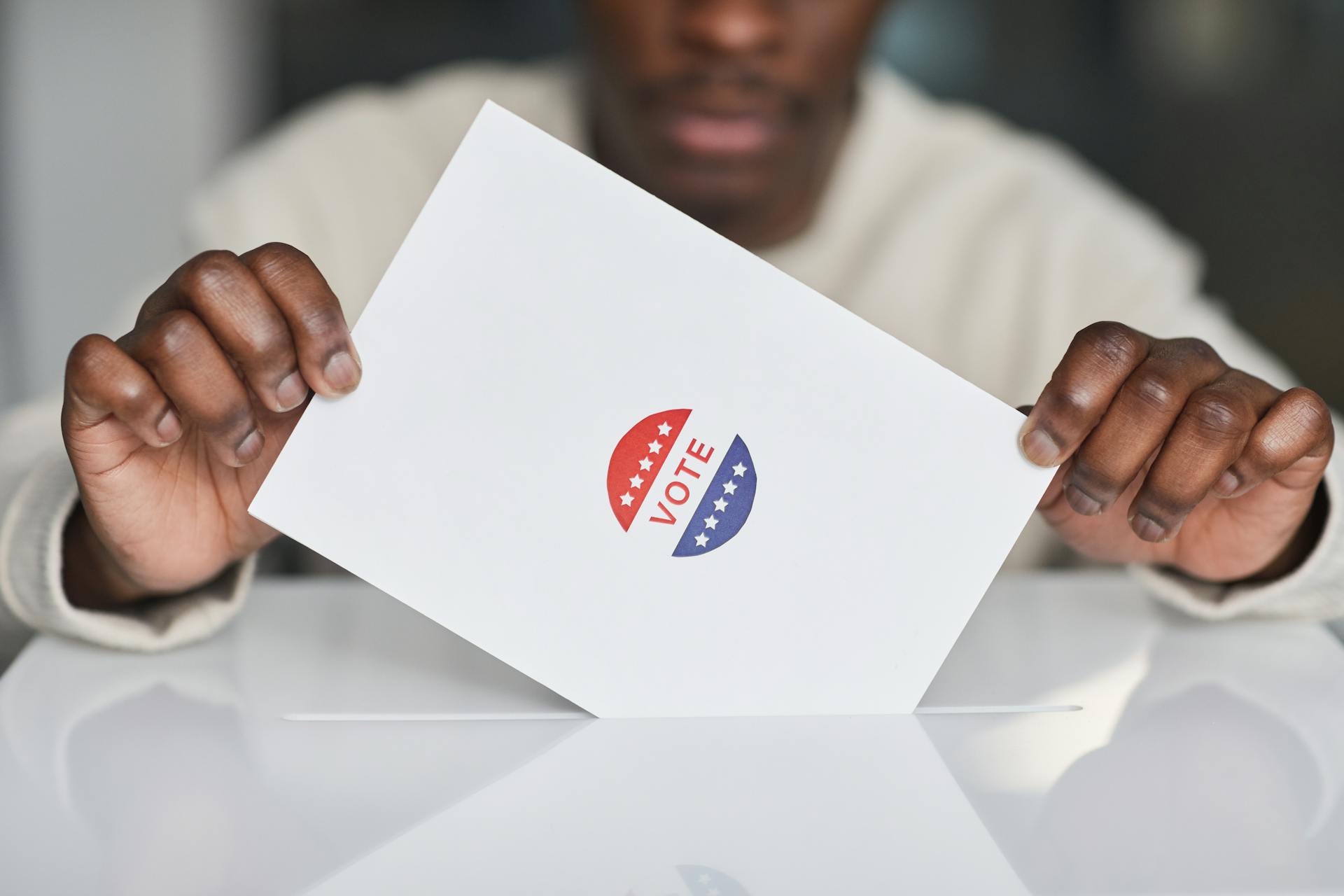
BUTTE — Election officials in Butte-Silver Bow are reporting that over 400 mail-in ballots have been initially rejected during the current election cycle. The primary cause of the flagged ballots is a missing or incorrect birth year on the return envelope, a requirement newly mandated by Montana state law.
The change stems from House Bill 719, which went into effect during the 2025 municipal elections. The law now requires all mail-in voters to provide their year of birth in addition to their signature on the ballot envelope to verify their identity.
While intended as a security measure, election administrators across the state have noted that the new requirement has led to a significant spike in rejection rates compared to previous years.
Butte is not alone in this challenge. Other major Montana counties, including Yellowstone and Missoula, have reported hundreds of rejected ballots for the same reason.
Fortunately, a rejected ballot does not mean the vote is lost. Montana law requires election offices to contact affected voters by mail, phone, or email to "cure" their ballots.
Voters who are notified of a discrepancy can resolve the issue by filling out a verification form or requesting a new ballot. Local officials urge residents to double-check their envelopes for both a signature and a birth year before mailing them to ensure their voices are heard.
Residents can also track the status of their ballots through the Montana Secretary of State's online voter portal.