











By Mark Moran - Producer-Editor, Contact - News
Big Sky Connection - Conservation groups are suing to stop a logging project along the Continental Divide that would clear-cut almost 6,000 acres of the Custer-Gallatin National Forest and carve nearly 60 miles of logging roads into the wilderness near Yellowstone National Park in Montana. Comments from Mike Garrity, executive director, Alliance for the Wild Rockies.

Mark Moran
September 27, 2023 - Three conservation groups have sued to stop a large logging project near Yellowstone National Park they say threatens endangered species in Montana.
The South Plateau Project would clear-cut 5,500 acres of trees, burn more than 16,000 acres, and carve 56 miles of logging roads into the Custer-Gallatin National Forest near Yellowstone Park, close to the Continental Divide.
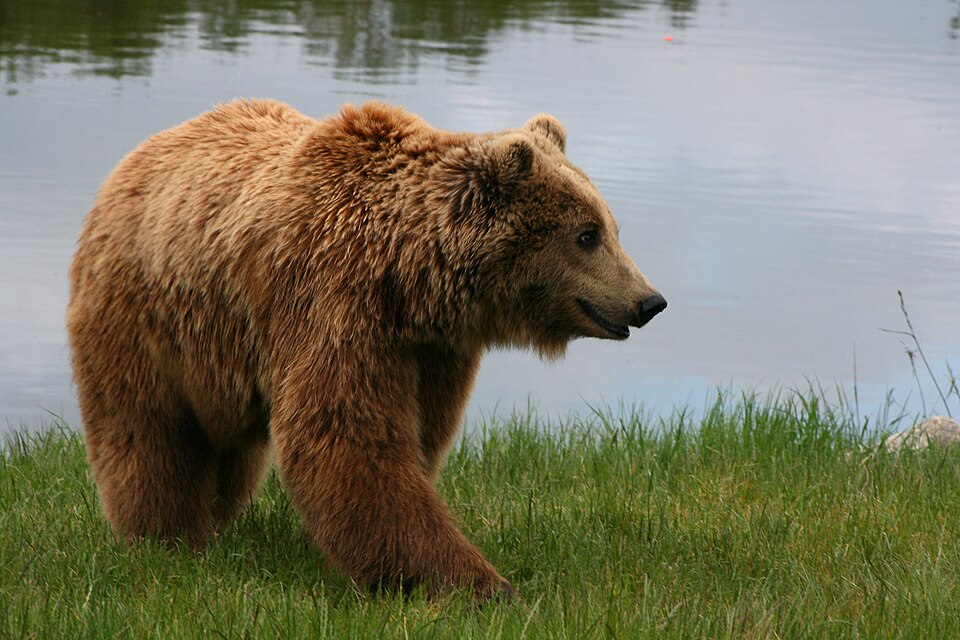
Mike Garrity, executive director of the Helena-based Alliance for the Wild Rockies, which worked with the Center for Biological Diversity to file the suit, said the logging project would be genetically devastating for grizzlies near Yellowstone, because it proposes to slice through a corridor which allows Yellowstone grizzlies to mix with bears further north as they work their way back from the endangered list.
"Grizzlies, once again, need one connected population so they have healthy genetic interchange," Garrity emphasized. "Grizzlies that are isolated are at risk for inbreeding. Once inbreeding sets in, they are sunk."
Garrity added most grizzlies are killed within one-third of a mile of a logging road - evidence, he said, that humans are threatening the already threatened species in the state. The U.S. Forest Service, which would oversee the logging project, has declined to comment due to the pending litigation.
Beyond providing vital habitat for grizzlies and Canada lynx, which are known to avoid forest clear-cuts for as long as 50 years, Garrity pointed out halting the project would preserve close to 17,000 logging trucks worth of timber, and prevent a devastating ecological impact on the climate.
"Forests are tremendous carbon sinks," Garrity stressed. "National Forests absorb about 12% to 15% of all the carbon the United States produces in a year. They're going to cut down all these trees and disturbing all the soil because trees also pump carbon into the soils, and bulldozing all these new logging roads is going to release a ton of carbon into the atmosphere."
Garrity argued the Forest Service has not analyzed the environmental impacts of the project, which is required under the National Environmental Policy Act.
