








City Desk
- Details
- Category: City Desk
By Kathleen Shannon - Producer, Contact - News
Big Sky Connection - The 104° West Collaborative was launched in 2021 by the Montana Food Bank Network and three state neighbors to better serve Native communities. The first years were focused on educating themselves on historical and modern Native food security and sovereignty. Comments from Gayle Carlson, president and CEO, Montana Food Bank Network.
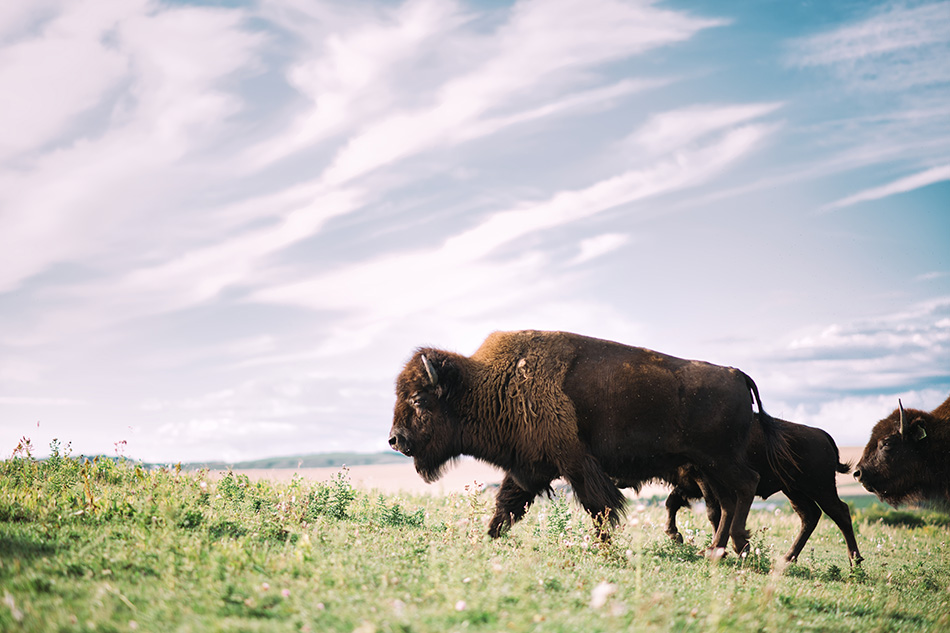
Click on the image above for the audio. The Montana Food Bank Network distributed food through 330 partner organizations in 2024, including food pantries, schools, senior centers and more, according to the organization's impact report. (West Rose Media/Adobe Stock)
Kathleen Shannon
March 11, 2025 - Food bank organizations teamed up in four states, including Montana, to launch the 104 Degrees West Collaborative in 2021 to better serve their Indigenous community members.
Early research has helped them understand how to serve these rural communities in culturally informed ways. There are 23 federally recognized Native Nations across North Dakota, South Dakota, Wyoming and Montana, each with unique food access, security and sovereignty issues.
Gayle Carlson, president and CEO of the Montana Food Bank Network, said the collaborative spent its first year interviewing key tribal leaders to make a cultural learning series for food bank staff and board members.
"It goes the gamut from the historical perspective of how food was used as a weapon, all the way to who's the point of contact we should first be working with," Carlson outlined. "So that we had that full spectrum of understanding. "
She pointed out the Montana Food Bank Network distributed more than 1.7 million pounds of food across the state's reservations in 2024.
Carlson noted in cases of extremely long traveling distances, it can make more sense to use food bank resources to support agencies on or near the reservations to help serve people living there, rather than food banks delivering food themselves. She added the four-state area is almost 400,000 square miles.
"That was something that really struck home to me is the rural nature of these reservations," Carlson observed. "They are a long way away from any services. They do not have public transportation. So for them to go a hundred miles to go to the Walmart is really, really difficult."
The Montana Food Bank Network is supporting the Blackfeet Nation and the nonprofit Food Access and Sustainability Team-Blackfeet, in their mission to reclaim and build food sovereignty, including around traditional foods such as bison.
- Details
- Category: City Desk

Click on the image above for the audio.
PNS - Tuesday, March 11, 2025 - House Democrats won't back the GOP budget bill. Ontario reacts to Trump's trade moves by enacting energy export tariffs, and a new report finds that mass deportations don't help the labor market.
- Details
- Category: City Desk

Click on the image above for the audio.
PNS - Tuesday, March 11, 2025 - Ukraine Targets Moscow With Large-Scale Drone Attack; Survey: Almost 60% of CA Black women report discrimination at work; MO advocate urges healing over punishment for traumatized juveniles; TN nonprofits plan ahead for end of Summer EBT food program.

- Details
- Category: City Desk
Click on the image above for the audio.
PNS - Monday, March 10, 2025 - GOP-controlled Congress seeks to avoid government shutdown early in Trump's term; FL lawmakers push to expand diabetes care with new bills; KY animal shelter expects to save money and energy with new solar panels; Mid-South farmers grapple with uncertainty of USDA funding freeze, layoffs.
