












City Desk
- Details
- Category: City Desk

Click on the image above for the audio.
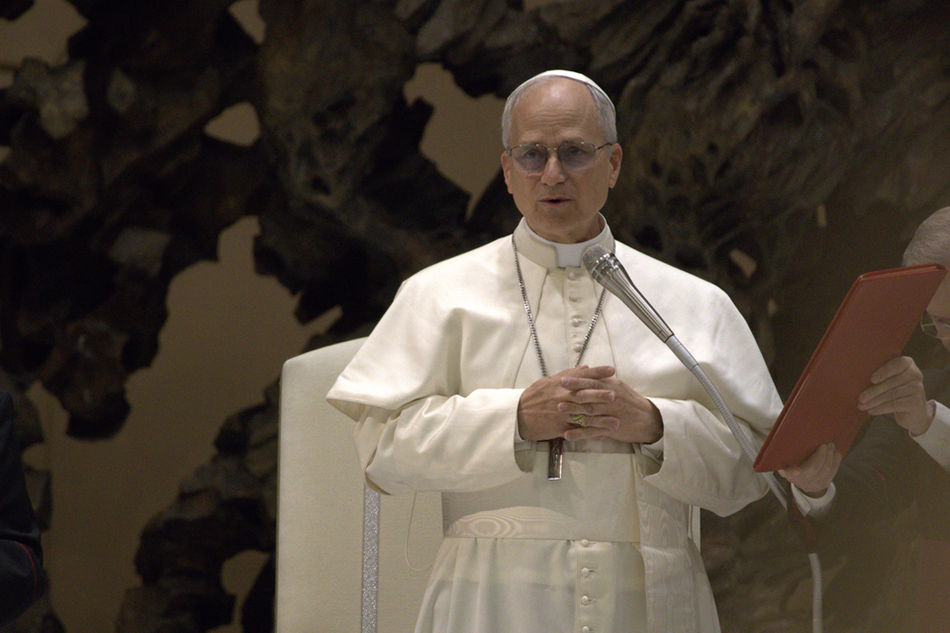
PNS - Thursday, October 9, 2025 - Supreme Court considers loosening rules for candidates to challenge election laws. Pope Leo encourages bishops to voice concerns on immigration policies, as federal court gives Trump control of the Oregon Guard.
- Details
- Category: City Desk

Click on the image above for the audio.
 PNS - Thursday, October 9, 2025 - Trump calls for jailing of Illinois governor and Chicago mayor in immigration standoff; AR seeks money to help health care systems navigate funding cuts; Planned WV plastics recycling facility could hurt economy, public health; IN lawmakers study ways to boost postpartum care.
- Details
- Category: City Desk
Click on the image above for the audio.
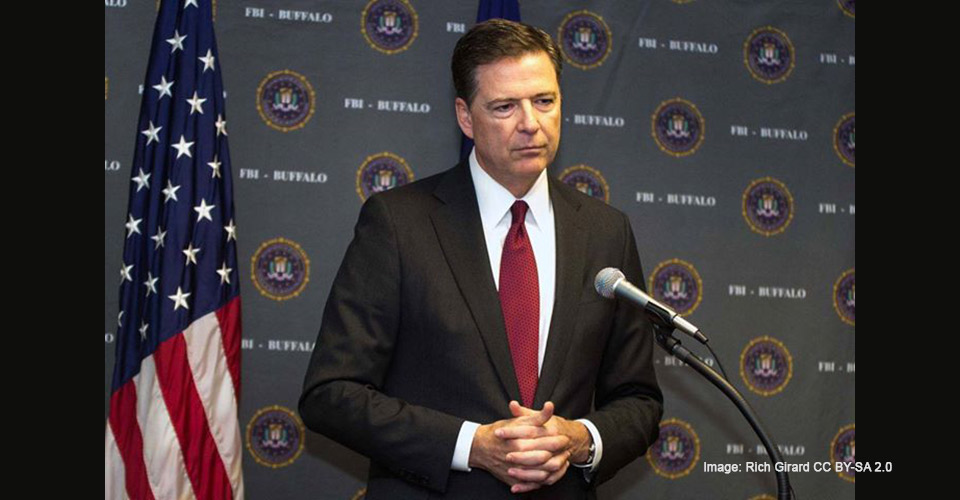
PNS - Wednesday, October 8, 2025 - Comey will seek to dismiss the case as malicious prosecution; Ohio domestic violence deaths reach record high, report shows; Report: New college grads feel 'unprepared' for jobs in their field; Satellite data show NM's stricter methane rules reduce emissions.
- Details
- Category: City Desk
Click on the image above for the audio.
 PNS - Wednesday, October 8, 2025 - Trump sends Texas National Guard troops to Chicago. An OMB analysis says furloughed federal workers aren't entitled to back pay and the Supreme Court hears a case about Colorado's ban on conversion therapy for minors.
