










City Desk
- Details
- Category: City Desk
April 30, 2024
ButteNews.net

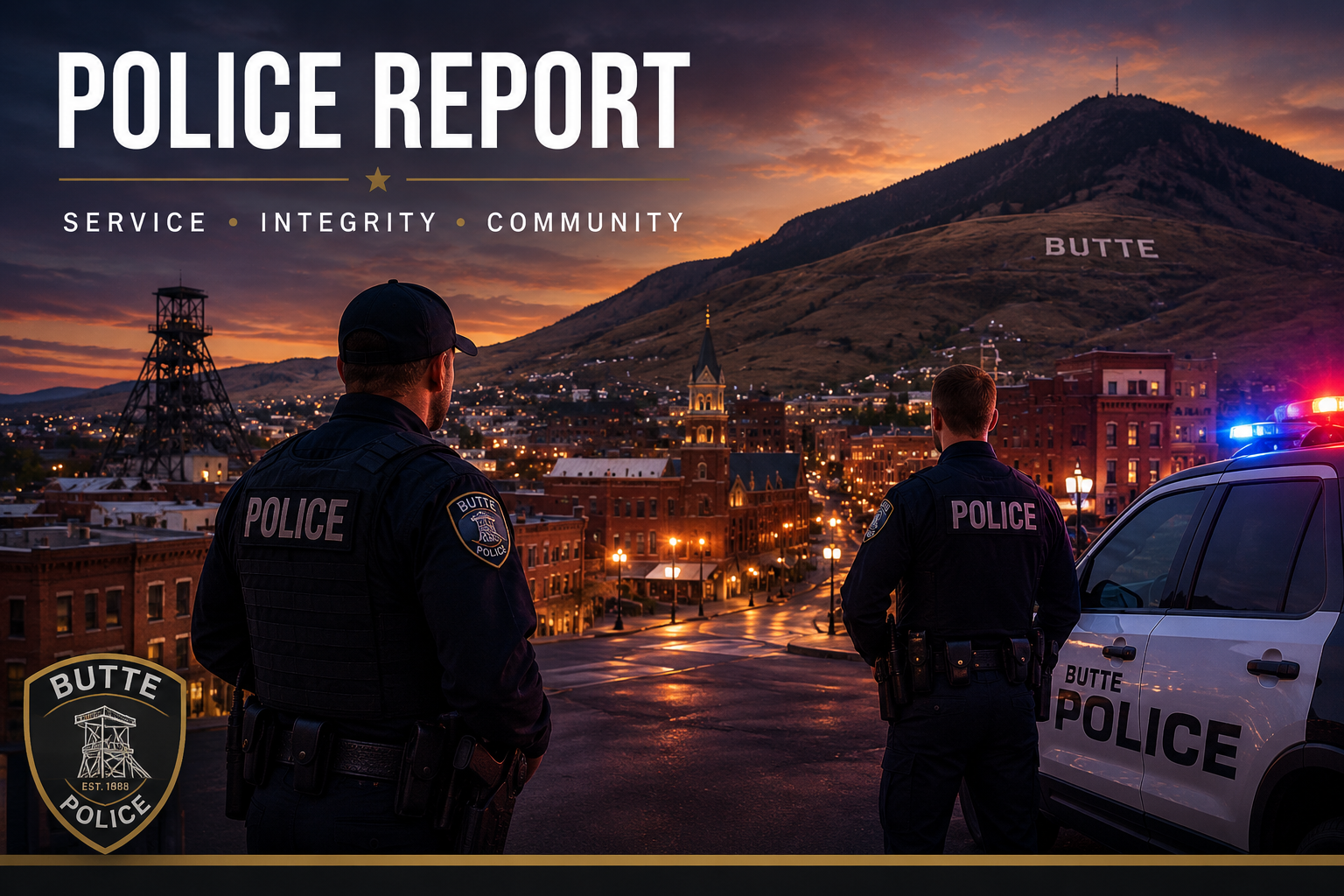
Butte police went to the Blacktail Creek walking trail this morning. They responded to the report of a body in Blacktail Creek.
A witness directed police to the body of an adult man in the water.
The dead man’s identity was unknown, and his body will be sent to the Montana State Crime Lab by the coroner for “autopsy and investigation,” a text from Sheriff
15-90 Search and Rescue aided police in the recovery of the body.
No suspicious external trauma was found on the body.
Police believe there is no ongoing threat to the public. They ask that anyone with information about the incident call Captain Jeff Williams at 406.497.1157.
- Details
- Category: City Desk

Click on the image above for the audio.
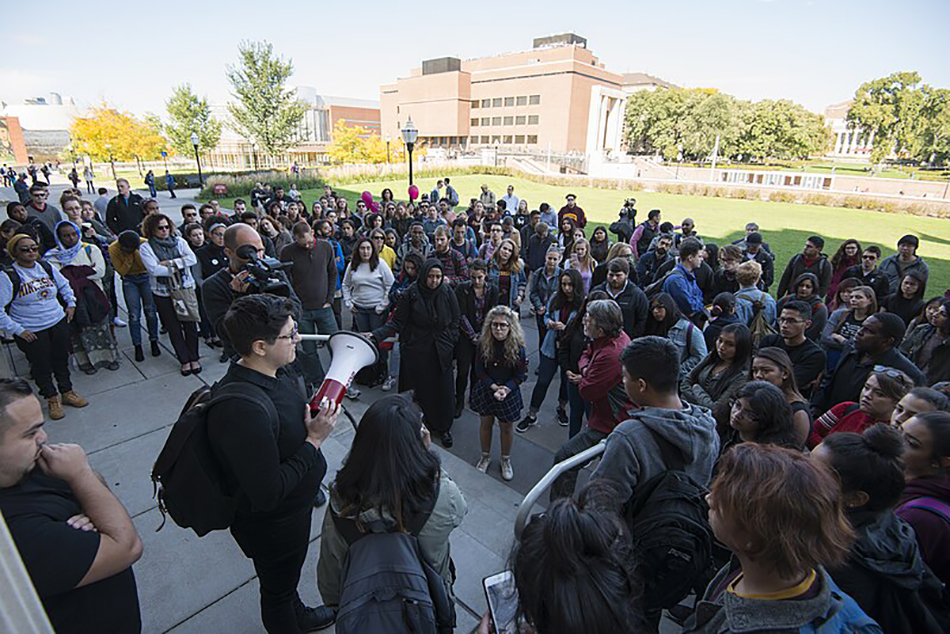
PNS - Tuesday, April 30, 2024 - Big Pharma uses red meat rhetoric in a fight over drug costs. A school shooting mother opposes guns for teachers. Campus protests against the Gaza war continue, and activists decry the killing of reporters there.
- Details
- Category: City Desk

Click on the image above for the audio.
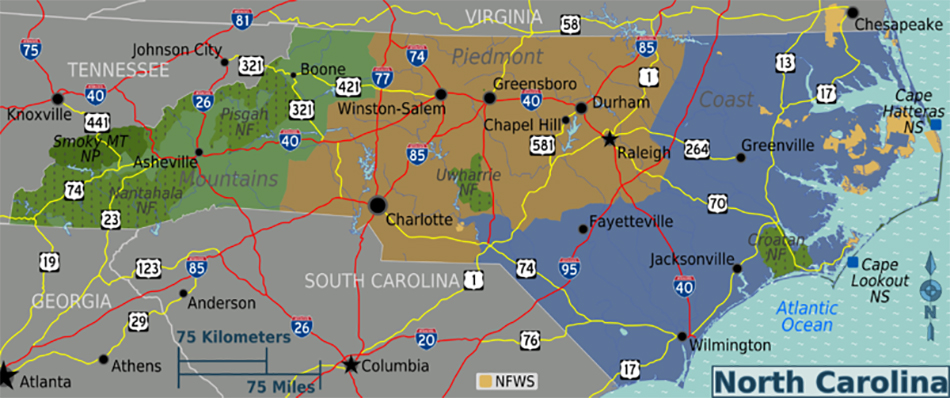
PNS - Tuesday, April 30, 2024 - Three US Marshal task force officers killed in NC shootout; MA municipalities aim to lower the voting age for local elections; breaking barriers for health equity with nutritional strategies; "Product of USA" label for meat items could carry more weight under the new rule.
- Details
- Category: City Desk
Big Sky Connection - Groups concerned with end-of-life options for Montanans have filed a "friend of the court" brief in state Supreme Court, asking justices to uphold an injunction blocking Senate Bill 99, which bans gender-affirming treatment for minors. Critics of the bill argue it goes too far; supporters say they oppose allowing this care for a variety of reasons. Comments from two spokespersons for Compassion & Choices: Callie Riley, northwest regional advocacy director; and Jess Pezley (PEEZ-lee), senior staff attorney.

Click on the image above for the audio. An estimated 2,700 people identify as transgender in Montana, or about one-third of 1% of the state's population, according to the UCLA Law School. (Adobe Stock)
Mark Moran
April 29, 2024 - Advocates for end-of-life care options in Montana have asked the state Supreme Court to uphold an injunction of a bill banning gender-affirming care for minors, to keep it from going into effect.
Critics said the measure violates civil liberties and goes further. The group Compassion & Choices has asked the court to uphold the injunction. It claims Senate Bill 99 takes personal freedoms away from Montana citizens, individual rights the state is known for.
Callie Riley, northwest regional advocacy director for Compassion & Choices, warned the bill could have unintended consequences and called it part of an effort to erode patients' ability to make decisions.
"Our concern in particular is that if the law is upheld, then that could also impact the ability of Montanans to make private health care decisions at the end of life, not just the right to pursue transition-related care," Riley explained.
Some Montana legislators have said they support the measure based on personal, moral or religious disapproval of gender transition. The injunction decision awaits action in the state's highest court.
Texas and Tennessee have passed similar measures.
Jess Pezley, senior staff attorney for Compassion & Choices, sees the health care issues addressed in the bill as interconnected.
"Motivated by the same kind of paternalism that, 'Somebody else can make this medical decision for you better than you can make it for yourself.' And that's not appropriate, whether it's for minors making the very personal decision whether to seek gender-affirming care, or for individuals at the end of life," Pezley asserted.
The lower court judge who issued the injunction has said the measure is not likely to withstand any level of constitutional scrutiny.
| Best Practices | Disclosure |
