








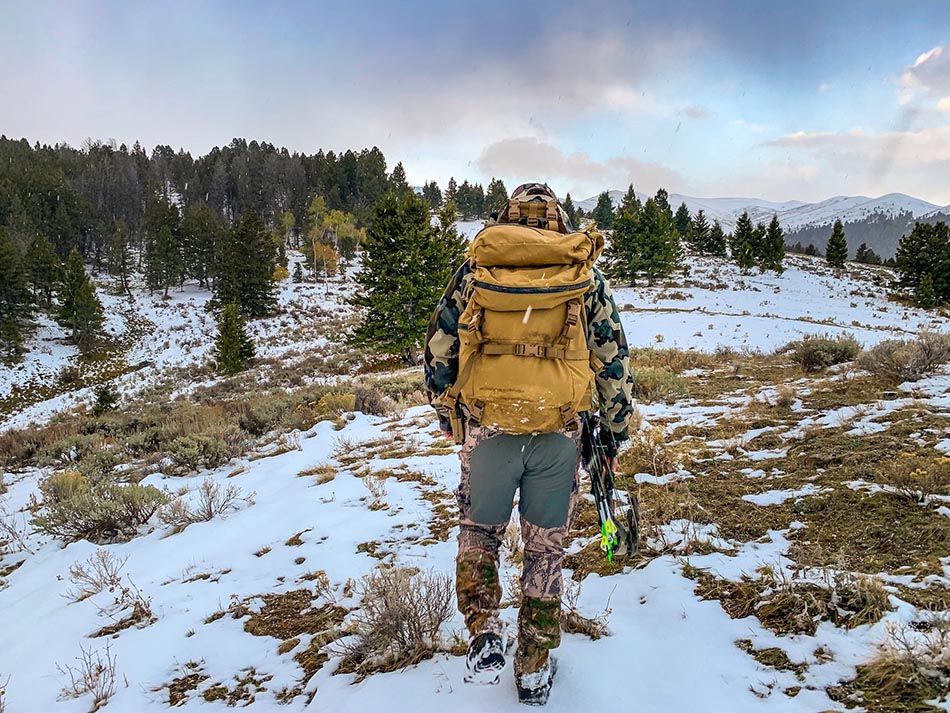
When it comes to conservation in Montana, you may not think of hunters and anglers as leading the charge but some are trying to change it.
Eric Clewis, northern Rockies senior representative for Defenders of Wildlife and a hunter/angler from Helena, said it's frustrating when people assume hunters and anglers don't care about the environment.
"There's this misconception that hunting and angling is about getting out there and killing or disrespecting wildlife," Clewis acknowledged. "That's not what it is at all. If you think about who humans are, just as a species, we are hunters and anglers, and it wasn't that long ago that's how we survived."
Clewis pointed out both activities are great ways to immerse yourself in nature and appreciate the plants, animals, geography, weather patterns and landscape, all things which make a wild place special and unique. He argued there are many things uniting anglers, hunters and other outdoor enthusiasts, and they need to work together to protect open spaces near them.
Clewis believes hunters and anglers started what is considered the modern conservation movement back in the late 1800s, when U.S. westward expansion decimated wild game.
"They were going on the landscape and realizing we kind of messed up," Clewis explained. "We had lost a lot of wildlife that made this country and this landscape really special, and they started advocating for protections to restore that wildlife."
Clewis feels many protections are now threatened by the Trump administration. He cited the president's attempts to sell off public lands and the Fix our Forests Act, a pending bipartisan bill intended to fight wildfires. It has passed the U.S. House and is waiting for a Senate vote. The legislation would allow prescribed burning and forest thinning in high wildfire risk areas. However, critics said it would remove environmental reviews and allow logging in national forests.
Clewis opposes it, and argued all outdoor lovers need to speak up against such efforts.
"If we let the politics of the times divide us, then there's no way we can actually unite our voices to stand up for the things that we care about," Clewis emphasized. "The things that are the base level that provides an avenue for us to enjoy the things that we enjoy."